

Here is how to save money on groceries: plan your meals before you shop, write a list from that plan, compare unit prices and choose store brands for staples. Then cut waste by using what you already have and freezing food before it spoils. Most families save $100 to $300 a month by combining a few of these habits.
Learn how to save money on groceries with 35 tips: meal planning, unit prices, store brands, smart stocking up and a printable grocery list to use.
You do not need extreme couponing or five stores a week. The tips below work in one regular store with a little planning.
Below are 35 tips grouped by when they help: before you shop, at the store and at home, plus a sample budget and a printable list.
Savings depend on your household, store and region, so treat the numbers as rough guides.
Table of Contents 19 sections
Grocery Tips With the Biggest Payoff
Rough monthly savings for a family. Your results depend on your current spending.
| Tip | Effort | Possible Monthly Savings |
|---|---|---|
| Weekly meal plan | 20 minutes a week | $80 to $200 |
| Store brands on staples | None | $30 to $60 |
| Less food waste | A few habits | $30 to $80 |
| Fewer extra trips | One big shop a week | $20 to $60 |
| Buy proteins on sale | Check the flyer | $20 to $50 |
How to Save Money on Groceries Before You Shop
The biggest savings happen at your kitchen table, before you ever reach the store.
1. Check What You Already Have
Look in the fridge, freezer and pantry before you plan anything. Food you already bought is the cheapest food in your house.

2. Make a Weekly Meal Plan
Plan five or six dinners around what you have and what is on sale. Meal planning cuts waste and impulse buys more than any other tip.
3. Check the Store Flyer or App
Build two or three meals around this week's sale proteins and produce.
4. Plan for Leftovers
Cook once, eat twice. Plan lunches and a leftovers night from bigger dinners.
5. Write a List by Store Section
Group items by produce, dairy, meat and pantry so you move through the store quickly and skip aisles you do not need.
6. Set a Weekly Grocery Budget
Write a number at the top of your list. Knowing your limit makes every choice in the store easier.
7. Eat Before You Go
Shopping hungry makes snacks and treats much more tempting.
8. Shop Once a Week
Every extra trip is a chance to buy extras. One planned shop a week saves both money and time.
How to Save Money on Groceries at the Store
These habits help you spend less once you are in the aisles.
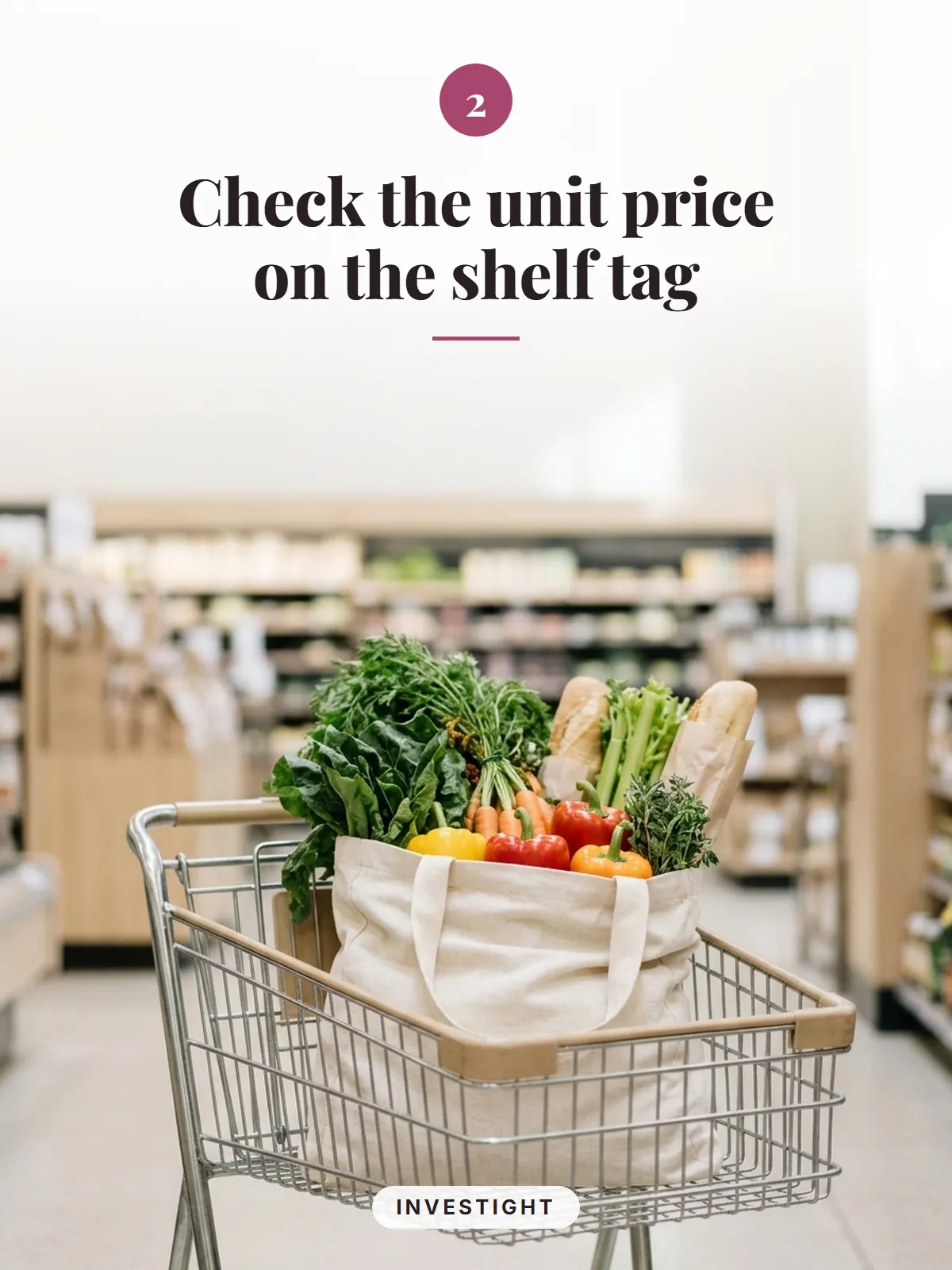
9. Compare Unit Prices
Look at the price per ounce or per count on the shelf tag. The bigger package is not always the better deal.
10. Choose Store Brands
Store brands are often noticeably cheaper than name brands for flour, sugar, canned goods, cereal and cleaning supplies.
11. Look High and Low on Shelves
Higher-priced items are often placed at eye level. Check the top and bottom shelves for cheaper options.
12. Buy Whole Instead of Pre-Cut
Whole vegetables, blocks of cheese and whole chickens usually cost less than pre-cut, shredded or portioned versions.
13. Stock Up on Sale Staples You Will Use
When rice, pasta, canned tomatoes or frozen vegetables are on a good sale, buy extra if you have room and will use them.
14. Buy Produce in Season
In-season fruits and vegetables are usually cheaper and taste better.
15. Use Frozen Fruits and Vegetables
Frozen produce is often cheaper than fresh, does not spoil quickly and is great for smoothies, soups and stir-fries.
16. Check Markdown Sections
Many stores mark down bread, meat and produce near their sell-by dates. Buy them for tonight's dinner or freeze them right away.
17. Skip Single-Serve Packs
Snack packs and single-serve drinks cost far more per ounce. Buy larger packages and portion them at home.
18. Use Coupons and Store Apps for Items on Your List
Digital coupons and store rewards save money only on things you already planned to buy.
19. Watch the Register
Check prices as items are scanned, especially sale items. Mistakes happen.
How to Save Money on Groceries With Cheaper Meals
What you cook matters as much as where you shop.
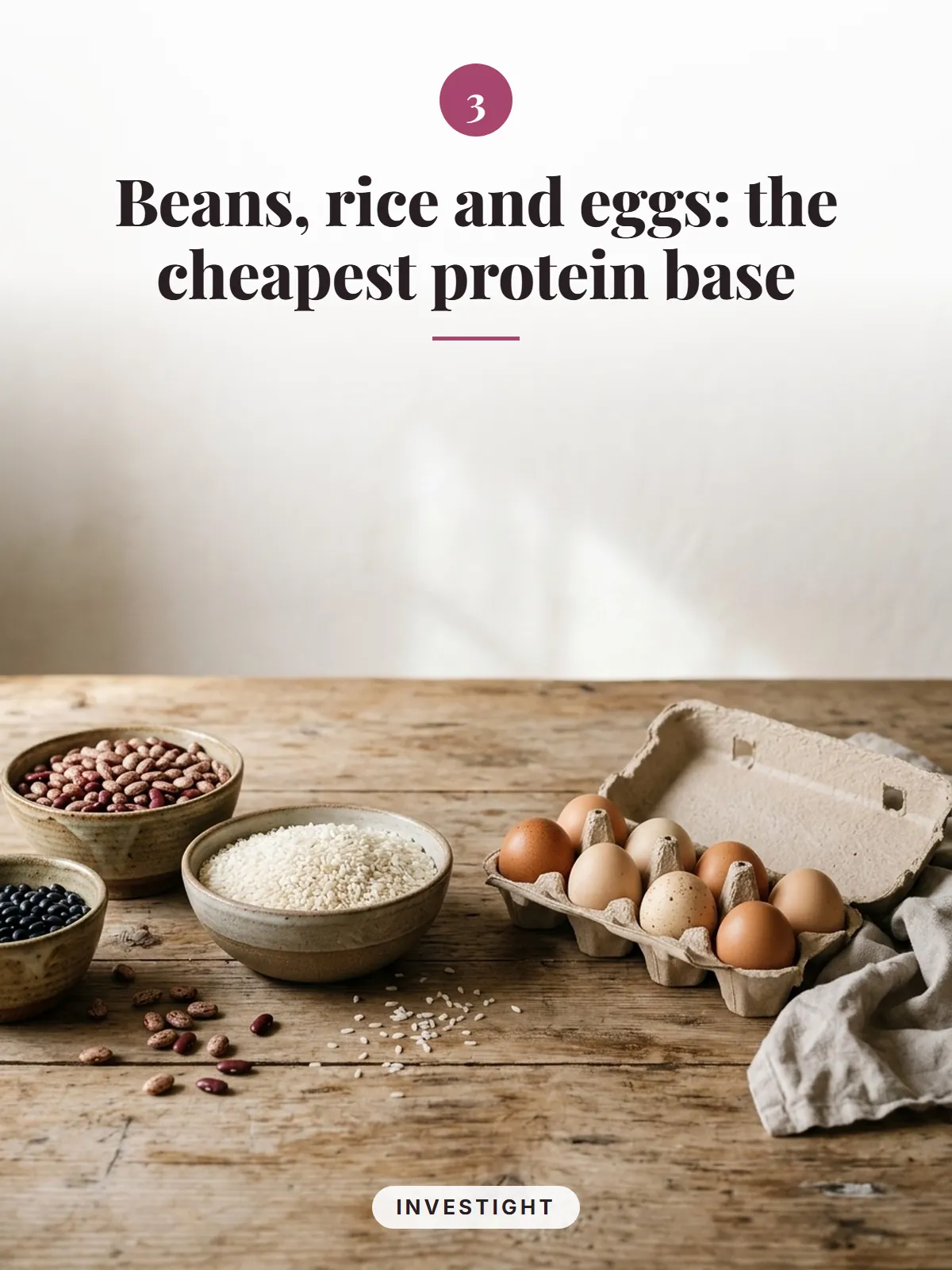
20. Build Meals on Cheap Staples
Rice, pasta, beans, lentils, eggs, potatoes and oats are filling and low cost.
21. Make Meat a Side, Not the Star
Stretch smaller amounts of meat in tacos, stir-fries, soups and casseroles with beans and vegetables.
22. Have a Meatless Night or Two
Bean chili, lentil soup and egg dinners cost far less than most meat-based meals.
23. Choose Cheaper Cuts
Chicken thighs, whole chickens and pork shoulder are usually cheaper than chicken breasts and premium cuts.
24. Cook From Scratch More Often
Pancakes, sauces, soups and baked goods cost much less when you make them yourself.
25. Make Snacks at Home
Popcorn, homemade muffins and cut fruit cost less than packaged snacks.
How to Save Money on Groceries at Home
The last step is making sure what you buy actually gets eaten.
26. Store Food Properly
Learn which fruits and vegetables keep best in the fridge and which on the counter. Proper storage makes food last longer.
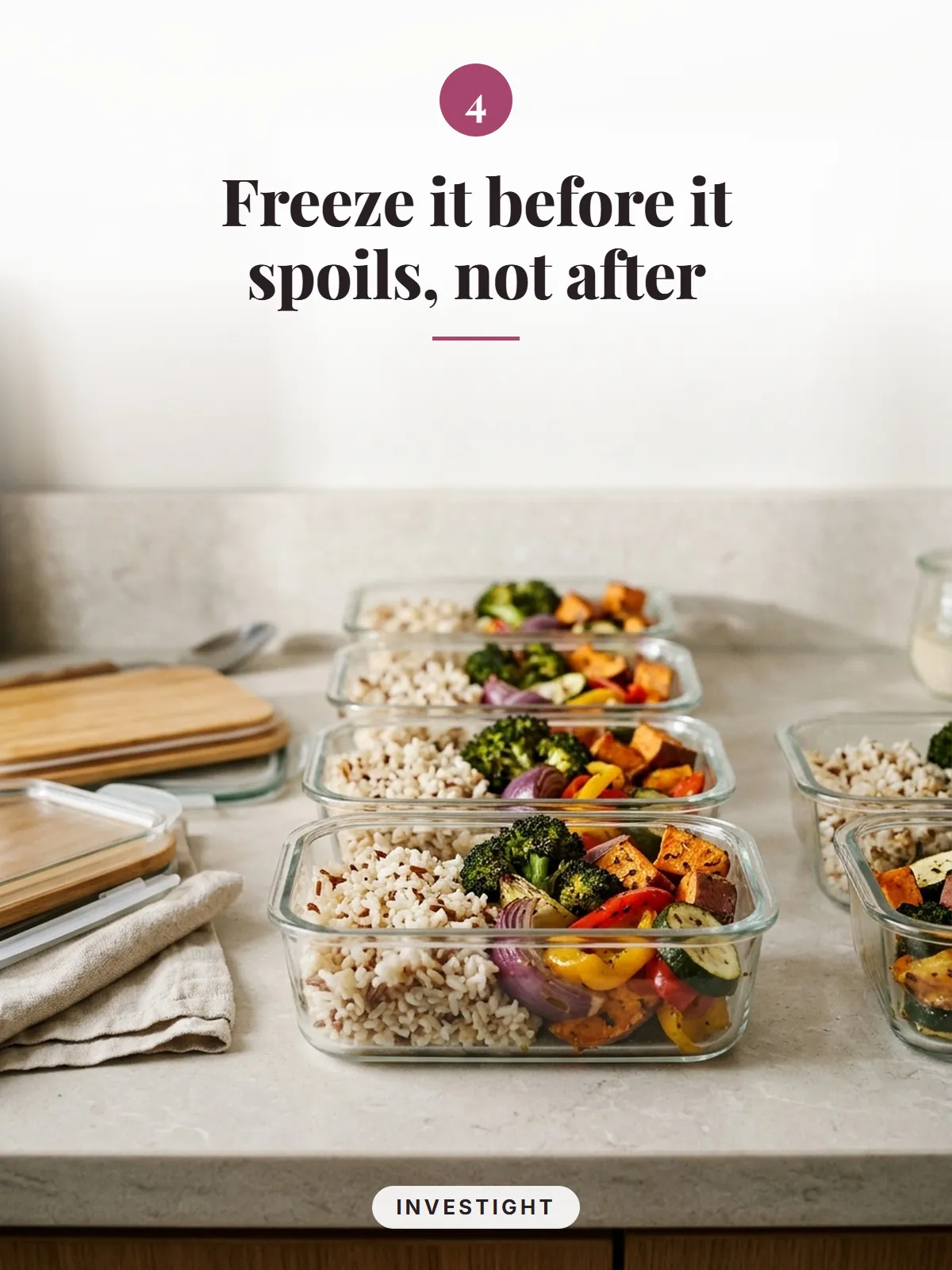
27. Freeze Before It Spoils
Bread, bananas, cooked rice, shredded cheese and leftovers freeze well. Freeze them before they go bad.
28. Keep Leftovers Visible
Put leftovers at eye level in clear containers so they get eaten first.
29. Do a Pantry Challenge Each Month
Eat mostly from what you already have for one week a month.
30. Track What You Throw Away
For two weeks, write down food you throw out. It quickly shows what you overbuy.
Bigger Grocery Savings Strategies
These take a little more setup but can save a lot over time.
31. Try a Discount Grocery Store
Discount and warehouse-style stores often have lower prices on staples. Compare a few of your usual items before switching.
32. Use Grocery Pickup to Avoid Impulse Buys
Ordering online for pickup lets you see your total before you pay. Watch for fees and minimums.
33. Buy in Bulk Carefully
Bulk saves money only on things you will use before they expire, like rice, oats and paper goods.
34. Grow a Few Herbs
Basil, parsley and green onions are easy to grow in pots and cost a lot to buy fresh.

35. Review Your Grocery Spending Monthly
Look at what you spent each month and compare it with your budget. Adjust your plan if one category keeps running high.
A Realistic Grocery Budget Example
Here is how a family of four that spent about $1,050 a month brought it down to about $800 using tips from this list.
| Change | Monthly Savings |
|---|---|
| Weekly meal plan from the flyer | $110 |
| Store brands on staples | $45 |
| One shop a week instead of three | $35 |
| Less food waste with leftovers night | $40 |
| Two meatless dinners a week | $30 |
| Total | $260 |
That is about $3,100 a year, from habits that take less than an hour a week once they become routine. For meal ideas that fit a tight budget, see our cheap meals on a budget.
One Grocery Trip, a Week of Dinners
Here is how one planned shop can cover a week of family dinners by reusing ingredients across meals.
Buy a family pack of chicken thighs, a bag of rice, two cans of black beans, a dozen eggs, tortillas, cheese, a head of cabbage, carrots, onions, potatoes, frozen mixed vegetables and canned tomatoes.
Monday: roasted chicken thighs with potatoes and carrots. Tuesday: chicken and bean tacos with cabbage, using leftover chicken.
Wednesday: fried rice with eggs and frozen vegetables. Thursday: black bean soup with tomatoes and onion.
Friday: cheese quesadillas with leftover soup. Saturday: egg and potato hash. Sunday: leftovers night.
Every ingredient appears in at least two meals, so very little goes to waste. That is the real secret of a low grocery bill: fewer ingredients, used more ways.
Keep a Simple Price Book
A price book is a short list of the items you buy most and the best price you usually see for each. It can live in a notebook or a note on your phone.
When something goes on sale, you can tell at a glance whether it is a real deal worth stocking up on. Over a few months, a price book teaches you your store's sale cycles, so you buy staples at their lowest price instead of whenever you run out.
How to Stick to a Grocery Budget
Write your weekly budget at the top of the list and keep a running total on your phone's calculator as you shop. When you reach the limit, check the cart for anything that was not planned.
Pay with cash or a prepaid amount if you often go over. Plan one small treat on purpose, so you do not feel deprived and grab five unplanned ones instead.
This kind of everyday frugality is not about eating less or worse. It is about buying on purpose and using everything you bring home.
Shopping With Kids Without Overspending
Kids make grocery trips harder, but a few rules help. Feed them before you go, give older kids a job like finding items on the list or comparing prices, and agree on one small treat before you walk in.
Grocery pickup can be a lifesaver on busy weeks, since it removes the temptations in the aisles altogether.
Saving on Groceries for One or Two People
Small households often waste the most food. Buy fresh produce in small amounts, rely on frozen vegetables and fruit, and freeze bread and meat in portions.
Cook full recipes and freeze single servings for later, so you get variety without buying a dozen ingredients each week.
Healthy Groceries on a Budget
Eating well on a budget is easier than it looks. Beans, lentils, eggs, oats, brown rice, frozen vegetables, bananas, apples, carrots and cabbage are some of the most nutritious foods per dollar.
Build plates around vegetables and whole grains, with a smaller portion of protein. Frozen and canned vegetables count too; choose low-sodium canned options when you can and rinse canned beans.
Skip expensive "health" snacks and drinks. Water, plain oats with fruit and homemade popcorn are healthier and far cheaper than many packaged options.
Grocery Savings Mistakes to Avoid
Shopping without a plan. Unplanned trips almost always cost more.
Buying too much fresh food. Produce that spoils is money in the trash. Buy fresh for a few days and rely on frozen for the rest.
Chasing deals across many stores. Driving to four stores to save a few dollars often costs more in gas and time than it saves.
Ignoring breakfast, lunch and snacks. Dinner gets the planning, but packaged breakfasts, bought lunches and snacks often add up the fastest.
Grocery Store Tricks That Cost You Money
Stores are designed to encourage extra spending. Displays at the end of aisles are not always sales. Bigger carts make it easy to fill them. Essentials like milk and eggs are often at the back, so you walk past many tempting items.
Knowing these tricks helps you resist them. Stick to your list, check unit prices and be skeptical of "10 for $10" deals, since you often do not need to buy ten to get the price.
How to Save Money on Groceries on a Low Income
Focus on the cheapest staples, plan every meal and avoid waste. Check whether you qualify for programs like SNAP, WIC or local food banks and community pantries, which can stretch a grocery budget a long way.
Some stores and farmers markets offer extra value for SNAP benefits on fruits and vegetables. Ask at your local market. You can find more ideas in our grocery and home savings guides.
Grocery Savings Checklist
Use this before every shopping trip.
- Check fridge, freezer and pantry
- Plan five or six dinners and one leftovers night
- Check this week's sale flyer
- Write a list by store section with a budget
- Eat before you go
- Compare unit prices and choose store brands
- Freeze anything that will not be eaten in time
Frequently Asked Questions
What is the best way to save money on groceries?
A weekly meal plan built around what you already have and what is on sale, followed by one shopping trip with a list. It cuts waste and impulse buys at the same time.
How much should a family of four spend on groceries?
It varies by location, diet and ages. Track two months of real spending, then use meal planning and cheaper staples to bring it down step by step.
Are store brands really as good?
For many staples like flour, sugar, canned goods and cleaning supplies, store brands are similar in quality and noticeably cheaper. Try a few and keep the ones you like.
Is buying in bulk worth it?
Only for items you will use before they expire, like rice, oats, canned goods and paper products. Perishables bought in bulk often go to waste.
How can I save money on groceries without coupons?
Meal planning, store brands, unit price comparisons, fewer trips, cheaper proteins and using leftovers all save money without clipping a single coupon.
What foods are cheapest to buy?
Rice, dried beans, lentils, oats, pasta, eggs, potatoes, cabbage, carrots, bananas and frozen vegetables are among the cheapest and most filling foods.
How often should I go grocery shopping?
Once a week works well for most families. Fewer trips mean fewer impulse buys and less time spent in stores, which saves both money and energy.
Does grocery pickup save money?
It can, because you see your total before paying and avoid impulse buys in the aisles. Check for pickup fees, delivery fees and minimum order amounts before you rely on it.
What should I buy when stocking up on sale?
Shelf-stable staples you use every week, like rice, pasta, canned tomatoes, beans, oats and frozen vegetables. Stock up only as much as you can use before it expires.
How can I cut my grocery bill in half?
For most households, cutting it in half takes several changes at once: strict meal planning, cheaper staples, less meat, almost no food waste and one shop a week. Start with a 20% goal, then keep going.
Should I shop at more than one store?
Only if the stores are close and the savings are real. Many families do one main shop at the cheapest nearby store and grab a few sale items elsewhere only when they are already nearby.
Save on Your Next Grocery Trip
You do not need to change everything at once. Before your next trip, check your pantry, plan five dinners and write a list with a budget at the top.
Add one or two new tips each week. Learning how to save money on groceries is about small, steady habits that keep more of your paycheck every single week.

Pin this guide to your money board
Save this saving money guide on Pinterest so the numbers and checklist are there when you need them.
Save on PinterestThis guide is general education, not individualized financial, tax, or investment advice. Figures reflect rules in effect on Nov 21, 2026. See our financial disclaimer.
