
A budget meal plan is a weekly or monthly plan of meals built around what you already have, what is on sale and a short list of cheap, filling staples.
Make a budget meal plan in 7 steps: check what you have, plan around sales, use a 4-week dinner rotation and shop from one list to cut grocery costs.
Plan your dinners first, add simple breakfasts and lunches, write one grocery list and cook in batches so leftovers cover busy nights. Most families save $80 to $200 a month once planning becomes a habit.
The biggest savings come from three places: less food waste, fewer impulse buys and fewer takeout nights. A plan handles all three at once.
Below are seven steps, a ready-made 4-week dinner rotation, a batch-cooking routine and printable planners to make it easy.
Savings depend on your household and how you shop now, so treat the numbers as rough guides.
Table of Contents 29 sections
A 4-Week Budget Dinner Rotation
Rotate these themes every week and swap specific meals for variety.
| Night | Week 1 | Week 2 | Week 3 | Week 4 |
|---|---|---|---|---|
| Monday | Chili | Lentil soup | Chicken noodle soup | Black bean soup |
| Tuesday | Tacos | Burrito bowls | Quesadillas | Taco salad |
| Wednesday | Pasta with tomato sauce | Spaghetti with meat sauce | Baked pasta | Tuna pasta |
| Thursday | Fried rice | Stir-fry with rice | Chicken and rice bake | Egg fried rice |
| Friday | Homemade pizza | Flatbread pizzas | Pizza pasta bake | Homemade pizza |
| Saturday | Sheet pan chicken | Baked potato bar | Breakfast for dinner | Sheet pan sausage |
| Sunday | Leftovers | Leftovers | Leftovers | Leftovers |
Step 1: Check What You Already Have
Start every plan by looking in the fridge, freezer and pantry. Write down anything that needs to be used soon and any staples you have plenty of.
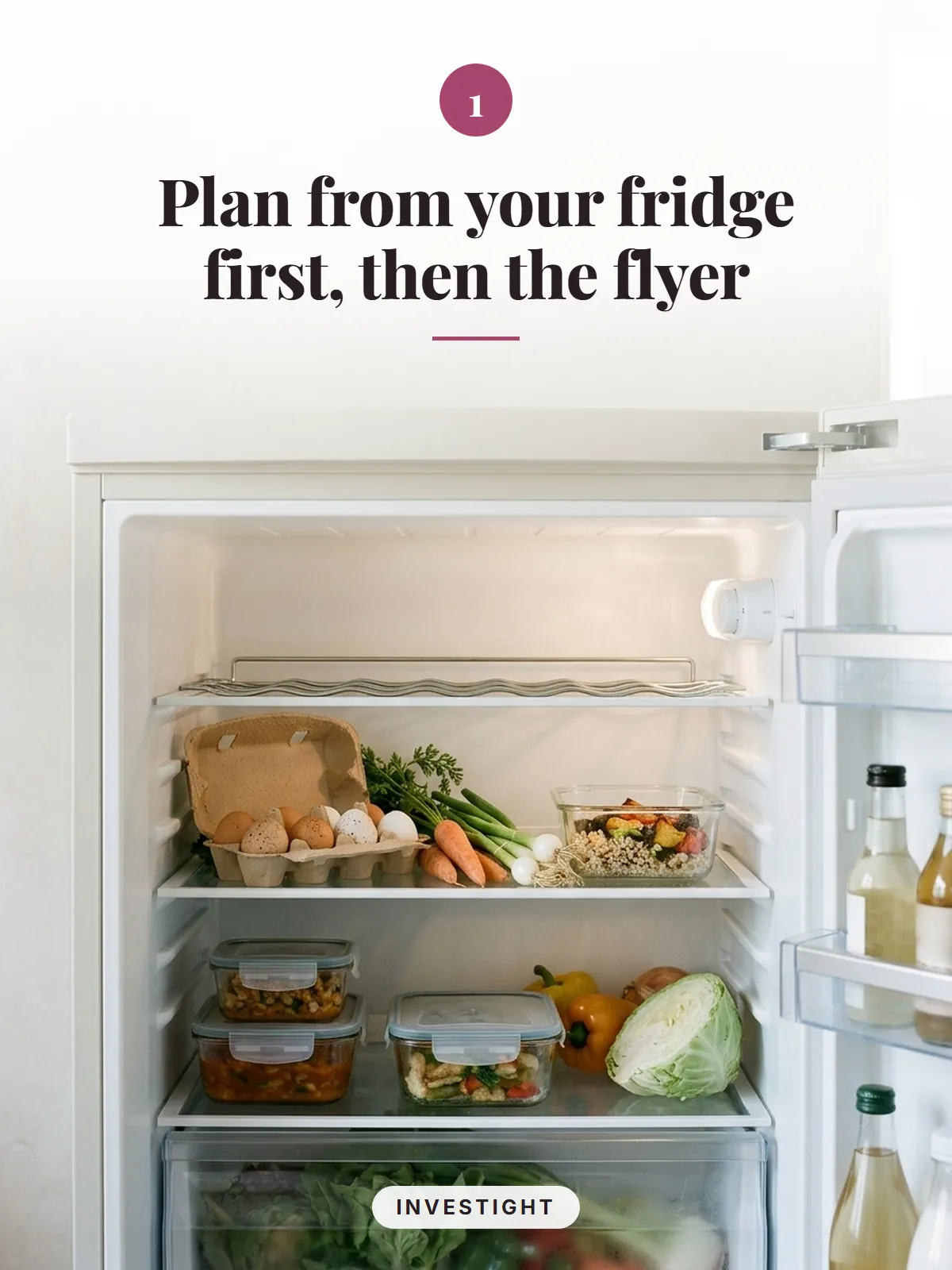
Food you already bought is the cheapest food you have. Building two or three meals around it can cut that week's bill noticeably.
Step 2: Check This Week's Sales
Look at your store's flyer or app for sale proteins and produce. Choose one or two items to build meals around, like chicken thighs or ground beef on sale.
Step 3: Pick Your Theme Nights
Theme nights make planning fast: soup night, taco night, pasta night, rice night, pizza night, sheet pan night and leftovers night. You only choose a specific recipe for each theme.
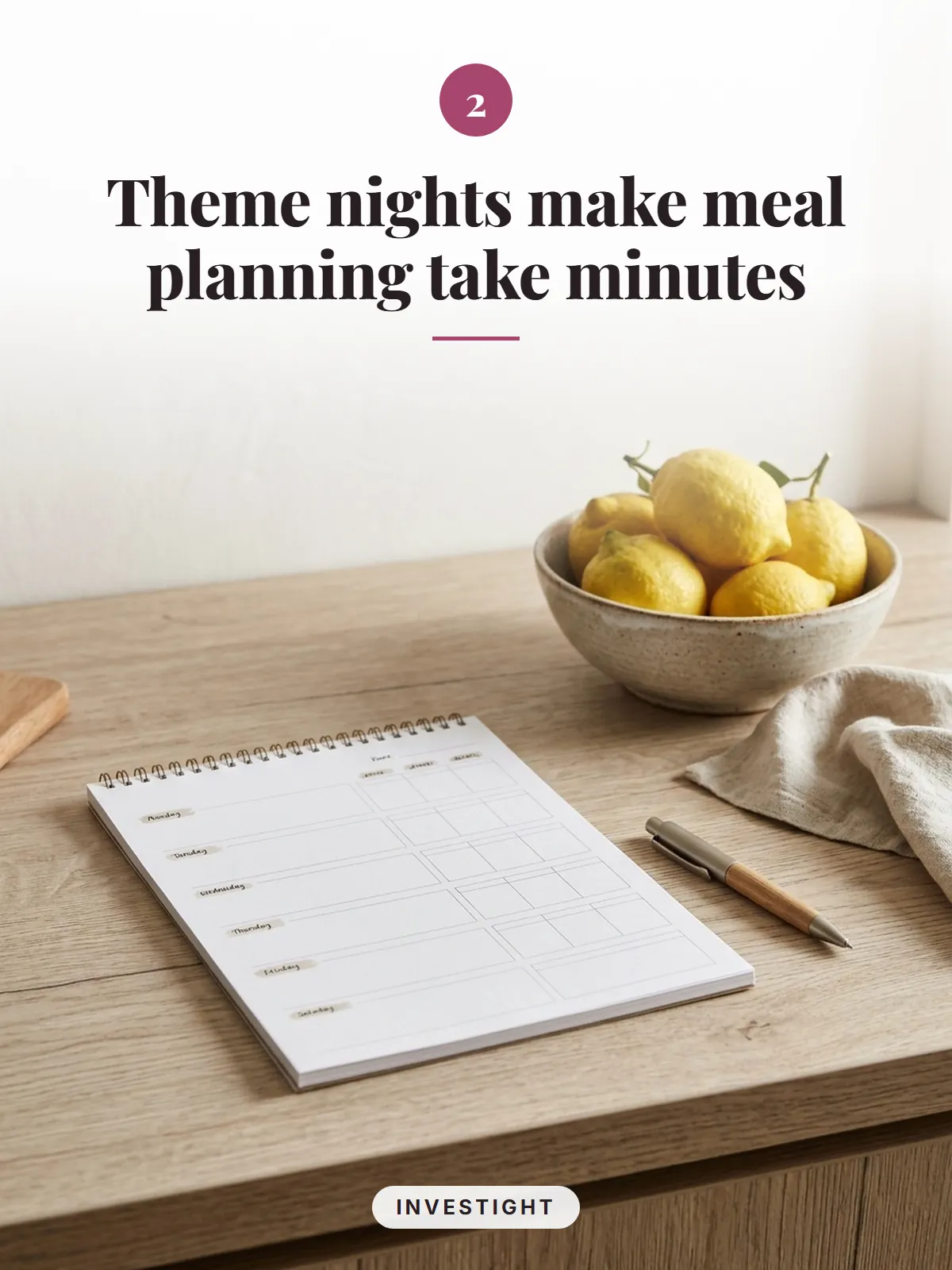
Use the 4-week rotation above as a starting point, then swap meals your family loves.
Step 4: Plan Breakfasts and Lunches Simply
Keep breakfasts to two or three cheap options, like oatmeal, eggs and toast. Plan lunches from leftovers, with sandwiches or soup as a backup.
Simple, repeated breakfasts and leftover lunches keep the plan easy and the grocery list short.
Step 5: Write One Grocery List
Go through each meal and list what you need, checking it against what you have. Group the list by store section and write your weekly budget at the top.
Step 6: Batch Cook on One Day
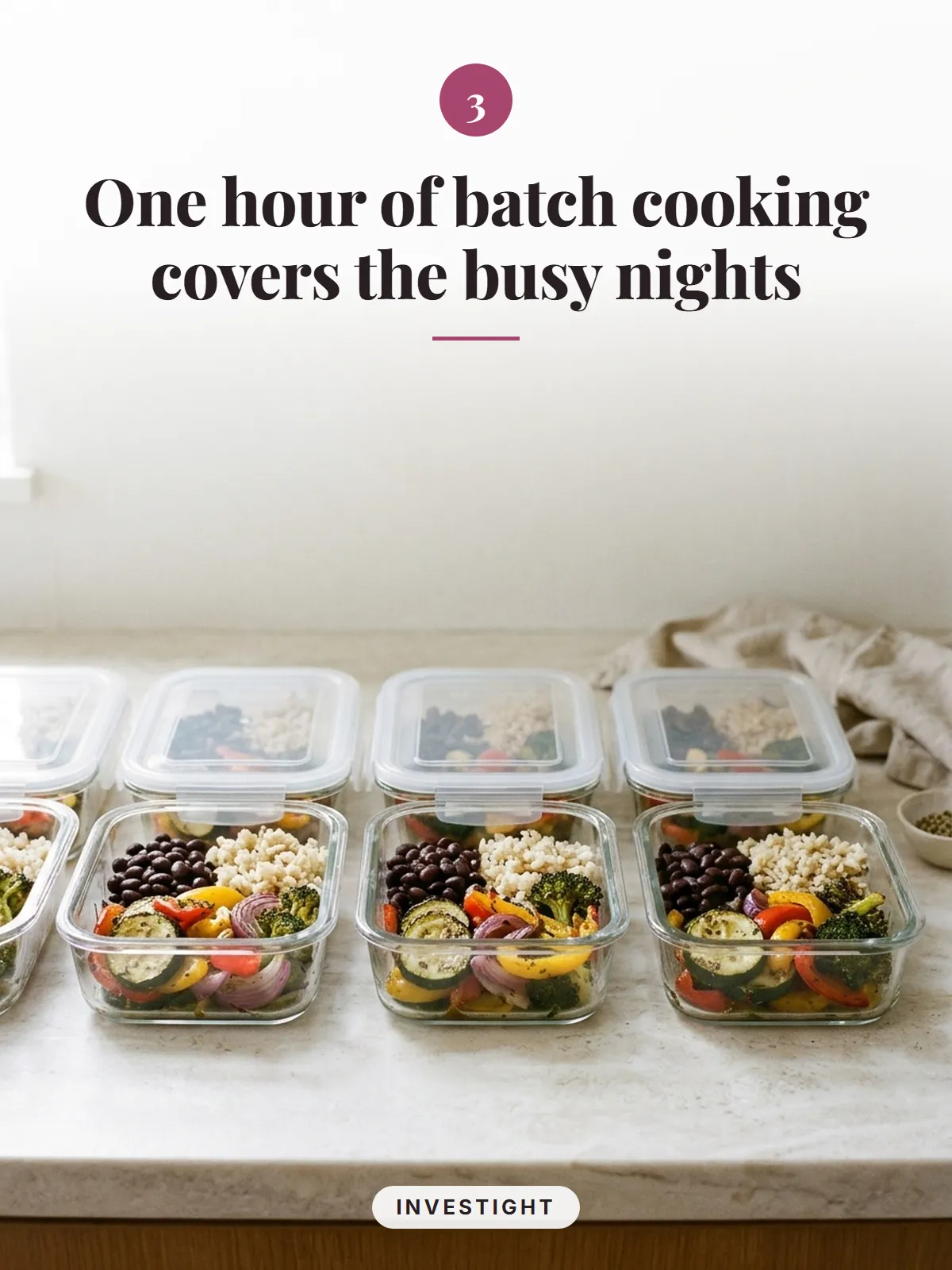
Spend an hour or two cooking basics: a pot of rice, a batch of beans or lentils, a tray of roasted vegetables and a pan of chicken or ground meat. These become the base for several meals.
Step 7: Review and Repeat
At the end of the week, note what got eaten, what was wasted and which meals were favorites. Adjust next week's plan. After a month, you will have a rotation that fits your family and budget.
A Budget Meal Plan Shopping Strategy
Shop once a week with your list. Buy staples like rice, pasta, oats, beans and frozen vegetables in larger sizes when they are on sale, and buy fresh produce in amounts you will use within a few days.
Choose store brands for staples, compare unit prices and skip pre-cut and single-serve items. Leave the snack aisle off your route unless snacks are on the list.
Cheap Staples That Make Budget Meal Planning Easy
Grains: rice, pasta, oats, flour and tortillas. Proteins: dried or canned beans, lentils, eggs, chicken thighs, ground beef or turkey on sale and canned tuna.
Vegetables: potatoes, carrots, onions, cabbage and frozen mixed vegetables. Flavor: canned tomatoes, broth, garlic and a few spices like cumin, chili powder and Italian seasoning.
With these on hand, almost every meal in the rotation needs only one or two fresh items.
How to Make Leftovers Work for You
Plan leftovers on purpose. Cook a double batch of chili on Monday and serve it over baked potatoes on Saturday. Roast extra chicken on Saturday and use it in tacos or soup.
Label and date leftovers, store them at eye level and plan one leftovers night each week. Freeze anything you cannot eat within three or four days.
Budget Meal Plan for Different Households
Families with kids: keep familiar favorites in the rotation, let kids choose one dinner a week and serve toppings on the side so everyone can build their own plate.
Couples and singles: cook full recipes and freeze half in portions. Buy fresh food in small amounts and rely on frozen vegetables.
Busy households: use the slow cooker, sheet pan dinners and batch-cooked basics, and keep two quick backup meals in the freezer.
How Much a Budget Meal Plan Can Save
A family that orders takeout twice a week at $45 each time and throws away $25 of spoiled food a week spends about $460 a month on those two habits alone. Replacing the takeout with planned home meals at about $12 each and cutting waste in half could save roughly $300 a month.
Your numbers will differ, but the pattern is common: planning saves money mostly by preventing waste and last-minute spending. For more cheap meal ideas, see our cheap meals on a budget and our grocery and home savings guides.
A Sample Week From the Rotation, With Costs
Here is week one of the rotation for a family of four, with rough costs based on typical grocery prices.
| Night | Dinner | Rough Cost |
|---|---|---|
| Monday | Chili with beans (double batch) | $11 |
| Tuesday | Beef and bean tacos | $8 |
| Wednesday | Pasta with tomato sauce and vegetables | $6.50 |
| Thursday | Fried rice with eggs and frozen vegetables | $4 |
| Friday | Homemade pizza | $8 |
| Saturday | Sheet pan chicken thighs with potatoes and carrots | $9.25 |
| Sunday | Leftovers (chili over baked potatoes) | $3 |
| Total | About $50 |
Add about $25 to $35 for breakfasts, lunches and snacks built from oats, eggs, bread, fruit and leftovers, and the week's groceries can land around $75 to $85 for four. Prices vary by region, so your total may differ.
A Simple Sunday Prep Routine
Hour one: start a pot of rice and a pot of beans or lentils. While they cook, chop onions, carrots and peppers for the week and roast a tray of potatoes or vegetables.
Hour two: cook a pan of ground meat or chicken for tacos and rice bowls, portion snacks into containers and pack two days of lunches.
Store everything in clear, labeled containers. On weeknights, dinner becomes a matter of combining prepped pieces, which takes 15 to 20 minutes.
Frugal Swaps That Keep Meals Cheap
Use half meat and half beans or lentils in chili, tacos and pasta sauce. Choose chicken thighs or whole chickens instead of breasts. Make your own taco seasoning and pizza sauce from pantry spices and canned tomatoes.
Swap fresh berries for frozen in oatmeal and smoothies, and fresh spinach for frozen in soups and pasta. These small frugal swaps can lower the cost of each meal without changing how much your family enjoys it.
Meal Planning When Money Is Very Tight
On a very tight budget, plan around the cheapest staples: rice, beans, lentils, oats, eggs, potatoes, cabbage and frozen vegetables. Build most dinners from these and add small amounts of meat for flavor.
Look into programs like SNAP, WIC and local food pantries if you qualify. Ask your store about discounts for seniors, families or loyalty members. Every dollar saved on food can go to rent, utilities or a small emergency cushion.
How to Get Your Family on Board
Ask everyone for one favorite meal and include it in the rotation. Post the week's plan on the fridge so no one asks "what's for dinner?" every night.
Give kids small jobs, like washing vegetables or setting the table. Families are much more likely to eat a meal they helped plan or make.
Cheap Breakfast Ideas for Your Meal Plan
Breakfast is easy to keep cheap with a few repeated options. Oatmeal with cinnamon, bananas or frozen berries costs very little per bowl. Eggs with toast or a simple breakfast burrito made from eggs, beans and tortillas are filling and quick.
Make a batch of pancakes or muffins on the weekend and freeze extras for school mornings. Yogurt with homemade granola is another inexpensive option. Rotating three or four breakfasts keeps mornings simple and the grocery list short.
Cheap Lunch Ideas for Your Meal Plan
Leftovers are the cheapest lunch of all. Plan dinners that make extra, like soups, chili, pasta bakes and rice dishes, and pack them into containers right after dinner.
Backup lunches can be sandwiches, wraps with beans or leftover chicken, quesadillas, egg salad or a big pot of soup made on Sunday. Packing lunch instead of buying it can save an adult $5 to $10 a day.
Snacks That Fit a Budget Meal Plan
Popcorn made from kernels, bananas, apples, carrot sticks, homemade muffins, hard-boiled eggs and peanut butter toast are all low-cost snacks. Portion them into containers at the start of the week so they are as easy to grab as packaged snacks.
Skip single-serve packs, which cost much more per ounce than larger packages.
Use a Freezer Stash for Busy Weeks
Keep three or four homemade freezer meals ready for nights when plans fall apart: chili, soup, burritos or a pasta bake. A frozen homemade meal costs a few dollars and replaces a takeout order that might cost $40 or more.
Each time you cook a freezer-friendly meal, double it and freeze half. Within a month, you will have a stash that protects your budget on hard days.
How to Plan Around Holidays and Busy Seasons
Holidays, school starts and busy work weeks are when meal plans most often break. Plan simpler meals for those weeks, lean on the freezer stash and shop for holiday meals early, when staples are on sale.
Write special events on your meal planner, like birthdays or potlucks, so you plan around them instead of making extra store trips at the last minute.
Healthy Budget Meal Planning
Eating well on a budget is very possible. Build most meals around vegetables, beans, lentils, whole grains and eggs, which are among the most nutritious foods per dollar.
Use frozen and canned vegetables freely; they are often as nutritious as fresh and do not spoil. Aim for a vegetable at every dinner, and keep fruit visible for snacks. Cut back on packaged snacks and sugary drinks, which cost a lot and add little nutrition.
Tools That Make Meal Planning Easier
A printed weekly planner on the fridge, a running grocery list and a simple recipe binder of family favorites are often all you need. Some families prefer a meal planning app or a shared note on their phones.
Whatever tool you choose, keep your rotation and favorite recipes in one place, so planning each week takes minutes instead of an hour.
Start Small If Meal Planning Feels Overwhelming
If planning a full week feels like too much, start with three dinners. Plan Monday, Wednesday and Friday, and let the other nights be leftovers, eggs or a simple pantry meal.
Once three planned dinners feel easy, add a fourth, then a fifth. Within a month, a full weekly plan will feel normal, and the savings will follow.
Budget Meal Planning Mistakes to Avoid
Planning too many new recipes. Try one new recipe a week and keep the rest familiar.
Forgetting busy nights. Plan quick meals or leftovers for evenings with practice or late work.
Ignoring what you have. Always shop your kitchen first.
Making the plan too rigid. Swap nights as needed. A plan is a guide, not a rule.

Frequently Asked Questions
How do I make a budget meal plan?
Check what you already have, look at this week's sales, choose meals by theme night, plan simple breakfasts and lunches, write one grocery list and batch cook basics.
How much can meal planning save?
Many families save $80 to $200 a month, mostly by wasting less food, avoiding impulse buys and ordering takeout less often.
What is a meal rotation?
It is a set of meals you repeat on a cycle, such as four weeks. Rotations make planning fast because you swap individual meals instead of starting from scratch.
What are the cheapest meals to put in a meal plan?
Rice and bean dishes, lentil soup, pasta with tomato sauce, fried rice, chili, baked potatoes and egg dishes are among the cheapest.
How long does meal planning take?
About 20 minutes a week once you have a rotation. Batch cooking takes an extra hour or two but saves time on busy nights.
Should I plan meals weekly or monthly?
Weekly planning is easier for beginners. Once you have a reliable rotation, monthly planning can save even more time and money.
How do I meal plan for picky eaters?
Keep a few familiar favorites in every week, serve toppings and sauces on the side and let picky eaters choose one dinner a week. Build-your-own meals like tacos and potato bars work especially well.
Can I meal plan without cooking every night?
Yes. Batch cook on one or two days, plan leftovers on purpose and keep a few freezer meals. Many families cook three or four nights a week and eat leftovers the rest.
What if I do not stick to my meal plan?
Swap nights, move a meal to the freezer or turn it into leftovers. A plan that bends is still saving you money. Review what went wrong and simplify next week's plan.
What is the best day to meal plan?
Many people plan the day before they shop, often on a weekend. Pick a day you can repeat every week, and plan when you are not hungry or rushed.
How many meals should I plan each week?
Plan five or six dinners plus one leftovers night. Keep breakfasts and lunches simple and repeated, so the plan stays easy to follow.
Can a budget meal plan work for a large family?
Yes. Large families often save the most, because batch cooking and bulk staples lower the cost per serving. Double recipes and lean on rice, beans, pasta and potatoes.
Plan Next Week's Meals Tonight
Check your kitchen, pick a theme for each night and write one grocery list. Batch cook a few basics this weekend.
Keep the plan simple and repeat it. A budget meal plan turns dinner from a daily question into a calm routine that saves money every week.

Pin this guide to your money board
Save this saving money guide on Pinterest so the numbers and checklist are there when you need them.
Save on PinterestThis guide is general education, not individualized financial, tax, or investment advice. Figures reflect rules in effect on Nov 21, 2026. See our financial disclaimer.
