

Here is how to save money fast: combine three moves at once: cut spending you can pause right away, turn unused things into cash, and bring in a little extra income. Move every dollar you save into a separate account the same day. Done together for 30 days, these steps can add up to $1,000 or more for many households.
Learn how to save money fast with 30 quick wins, from selling unused items to a no-spend week, plus a 30-day plan that can add up to $1,000 or more.
Saving fast is different from saving long term. It is a short, focused sprint, usually for an emergency, a debt, a deposit or a goal with a deadline. The tips below are built for speed.
Below you will find 30 quick wins grouped by how fast they work and a week-by-week 30-day plan.
Table of Contents 19 sections
How to Save Money Fast: Where the First $1,000 Can Come From
Rough examples for a typical household. Your numbers will differ.
| Source | Example | Possible Amount in 30 Days |
|---|---|---|
| Selling unused items | Clothes, gear, furniture | $150 to $400 |
| Pausing takeout and coffee runs | Four weeks of cooking at home | $150 to $300 |
| Canceling subscriptions | Two or three services | $20 to $60 |
| Grocery pantry challenge | One or two weeks | $75 to $200 |
| Extra income | Shifts, pet sitting, odd jobs | $200 to $500 |
Ways to Save Money Fast This Week
These quick wins work in days, not weeks.
1. Open a Separate Savings Account
Before you save a dollar, give it a home. A separate account, ideally named for your goal, keeps the money from blending into everyday spending.

2. Sell Things You No Longer Use
Clothes, toys, small furniture, tools and electronics can turn into cash within days through local listings. Price to sell quickly.
3. Return Unused Purchases
Check receipts and online orders for things still within the return window. It puts money back in your account this week.
4. Cancel Subscriptions You Do Not Use
Look at your last two statements and cancel anything you have not used in a month. Many households find $20 to $60.
5. Do a No-Spend Weekend
For one weekend, spend nothing beyond essentials. Plan meals ahead, choose no-cost activities and transfer what you would have spent.
6. Eat From Your Pantry
Plan this week's meals around what is already in your fridge, freezer and pantry. Buy only milk, eggs and fresh produce.
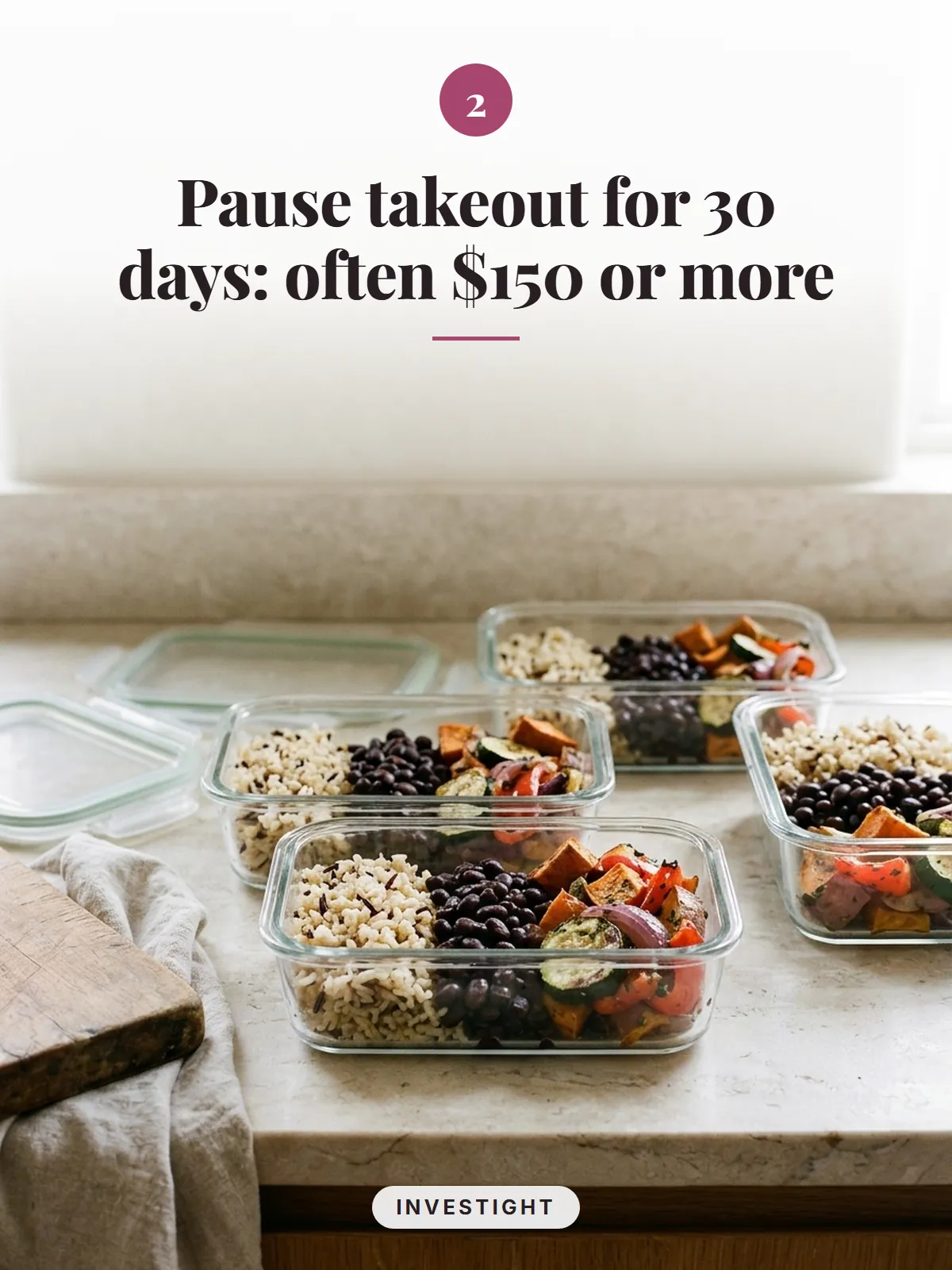
7. Pause Takeout and Coffee Runs
Make coffee and meals at home for the next month. For many people, this is the single biggest quick saving.
8. Check for Unclaimed Money
Search your state's official unclaimed property website for old deposits, refunds or paychecks. Use only government sites.
Ways to Save Money Fast This Month
These take a little more effort but can save a lot within the month.
9. Call Your Providers
Call phone, internet and insurance providers and ask for a lower rate or a cheaper plan. A single call can save $20 to $40 a month.
10. Do a Pantry Challenge for Two Weeks
Stretch the pantry week into two. Many families cut that period's grocery bill in half.
11. Shop With a List and a Cash Limit
Bring cash for groceries and leave the cards at home. When the cash is gone, the trip is over.
12. Stop Impulse Shopping
Delete shopping apps, unsubscribe from store emails and remove saved cards from websites for 30 days.
13. Use the 30-Day Rule
Write down anything you want that is not essential and wait 30 days. Most of it will not feel important by then.
14. Carpool or Combine Errands
Plan errands into one trip and carpool to work or school when possible to save on gas.
15. Lower Your Utility Use
Set a thermostat schedule, wash in cold water and switch off electronics on a power strip at night.
16. Pause Extras You Can Restart Later
Gym memberships, beauty services and hobby spending can often be paused for a month without much loss.

Ways to Earn Extra Money Fast
Cutting has a limit. Adding income makes saving fast much easier.
17. Pick Up Extra Shifts or Overtime
If your job offers overtime or extra shifts, it is often the quickest and safest extra income.
18. Do Odd Jobs for Neighbors
Yard work, moving help, furniture assembly and cleaning pay quickly. Post in local groups that you are available.
19. Pet Sit or Dog Walk
Many sitters charge $20 to $40 a visit. A few visits a week adds up fast.
20. Babysit
Date nights and weekends are always in demand, especially before holidays.
21. Sell Gift Cards You Will Not Use
Unused gift cards can be sold for part of their value.
22. Ask for a Raise or More Hours
If you have been in your role a while, ask. Even a small raise keeps paying every month.
Ways to Save Money Fast on Big Expenses
These take longer to set up but can change your monthly costs for good.
23. Shop Your Car Insurance
Get two or three quotes. Switching or raising your deductible, once you have savings, can lower the premium.
24. Refinance High-Interest Debt Carefully
A lower interest rate on a loan or a credit card balance can lower your monthly payment. Watch for fees and read the terms closely.
25. Downsize a Car Payment
If a car payment strains your budget, selling and buying a cheaper car can lower your costs by hundreds a month.
26. Get a Roommate or Rent a Room
If you have space and your lease allows it, a roommate can cut housing costs dramatically.
Habits That Keep the Savings Coming
Fast saving works best when a few habits stay after the sprint.
27. Automate Savings on Payday
Set an automatic transfer so saving happens before you can spend.
28. Save Every Windfall
Send at least half of every refund, bonus or gift to savings.
29. Track Spending Weekly
Ten minutes on Sunday comparing spending with your plan keeps you on track.
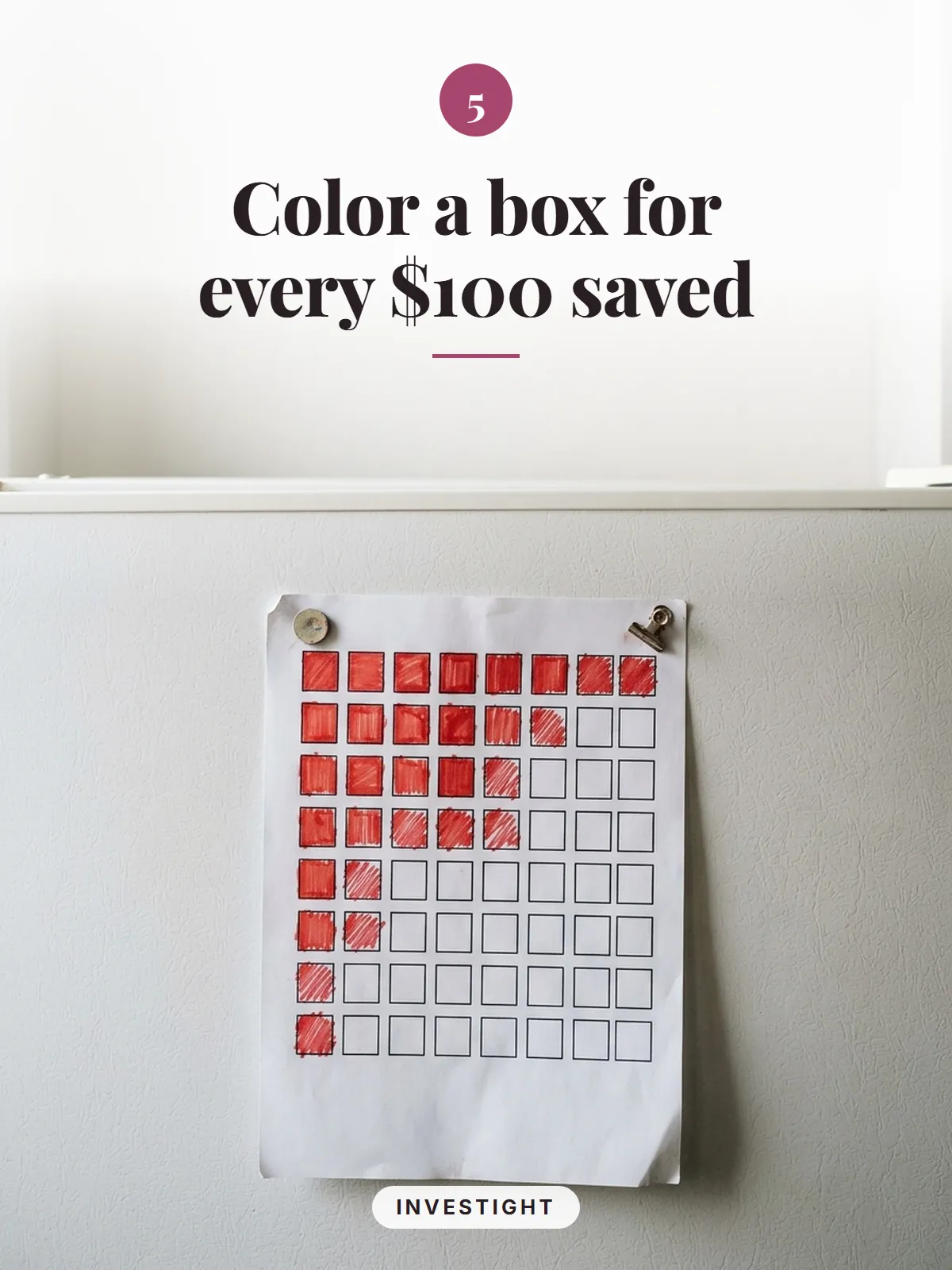
30. Celebrate Progress
Mark each $100 or $250 saved on a tracker. Visible progress keeps you going.
A 30-Day Plan to Save $1,000
Here is a week-by-week plan that combines cuts, selling and extra income. Adjust the amounts to your situation.
| Week | Main Actions | Target Saved |
|---|---|---|
| Week 1 | Open savings account, cancel subscriptions, sell 5 items, no-spend weekend | $250 |
| Week 2 | Pantry week, no takeout, call one provider, sell 5 more items | $250 |
| Week 3 | Extra shifts or a side gig, cash-only groceries | $250 |
| Week 4 | Second no-spend weekend, pet sitting or odd jobs, final sales | $250 |
| Total | $1,000 |
The exact mix depends on you. If selling brings in more, you may need fewer extra hours. If you cannot pick up work, stretch the plan to 45 or 60 days. The goal is steady progress, not perfection.
A Real 30-Day Example
Here is how one single parent with $3,400 of monthly take-home pay saved $1,040 in 30 days without a second job.
| Action | Amount Saved or Earned |
|---|---|
| Sold a stroller, a dresser and outgrown clothes | $310 |
| Returned two unused online orders | $85 |
| Canceled three subscriptions | $42 |
| Two-week pantry challenge | $160 |
| No takeout or coffee runs for a month | $220 |
| Called internet and phone providers | $38 |
| Four Saturday babysitting jobs | $185 |
| Total | $1,040 |
None of these steps was dramatic. Together, they built a real emergency cushion in one month. After the sprint, this parent kept the lower phone and internet bills and set up a $100 automatic transfer on every payday.
How to Save Money Fast for an Emergency
If an emergency is happening now, like a car repair or a medical bill, focus on the fastest cash first: sell items, return purchases, ask for extra shifts and check for unclaimed money.
Then call the business you owe. Many medical providers, utilities and repair shops offer payment plans or discounts for paying a lump sum. A short payment plan with no interest is far better than a high-interest loan.
Avoid payday loans and other very high-cost borrowing whenever you can, because the fees can turn a short-term problem into a long-term one.
How to Save Money Fast for a Move or a Deposit
Moving costs, deposits and first-month rent often arrive at once. Start by listing every cost with its due date, then work backward to a weekly savings target.
Sell large items you will not move, since that saves both cash and moving costs. Ask your landlord about getting your current deposit back quickly, and compare moving options, from a rental truck with friends to a moving company, before you book.
Saving Money Fast as a Family
Saving fast works better when everyone is on the same team. Explain the goal to your family, whether it is a vacation, a car or an emergency cushion, and let kids help with a no-spend weekend plan.
Make it a game. Put a tracker on the fridge and let children color a box for every $50 saved. Plan no-cost family fun, like park days and movie nights at home, so the month feels like an adventure instead of a sacrifice.
How to Save Money Fast on a Low Income
When money is tight, saving fast is harder, but not impossible. Focus first on avoiding fees: late fees, overdraft fees and high-interest borrowing can wipe out any savings.
Look for help you may qualify for, like discounted internet plans, utility assistance programs and food banks, which can open up room in your budget. Sell what you can and pick up small side jobs.
A realistic fast goal on a low income might be $200 to $500 in a month, and that is a real win. Even a small cushion can keep a surprise from becoming debt.
How to Stay Motivated During a Savings Sprint
A 30-day sprint can feel long by week three. A few habits keep the energy up.
Set a clear reason and write it at the top of your tracker, like "car repair fund" or "three months of safety". Check your savings balance every few days and celebrate each $250 milestone with something small and low cost.
Tell one person about your goal. A partner, friend or family member who checks in once a week makes it much harder to quit quietly. And plan the reward for the end: a favorite home-cooked meal or a day trip you can pay for in cash.
What to Do After the 30 Days
The end of a sprint is the start of a habit. Keep two or three of the changes that were easiest, like the lower phone bill, the pantry-first shopping or the 30-day rule for purchases.
Set up an automatic transfer on payday for an amount you can keep every month, even $50 or $100. Then pick the next goal. Many people move from a fast $1,000 emergency fund to a slower, steady savings challenge for a bigger target.
Where to Put the Money You Save
Keep it in a separate savings account, ideally a high-yield one, and name it after the goal. If you are building an emergency fund, leave it there until a true emergency.
If you are saving fast to pay off a high-interest credit card, send the money as an extra payment as soon as possible. For more ideas, see our money saving hacks and our frugal living guides.
Mistakes That Slow You Down
Saving without a goal. A clear target and a deadline make every choice easier.
Leaving the money in checking. It slowly gets spent.
Cutting everything at once. Extreme cuts often lead to a spending binge. Pause the extras, keep a small treat.
Forgetting the next month. After a 30-day sprint, set up automatic savings so the progress continues at a steady pace.
Save Money Fast Checklist
Work through this list over the next 30 days.
- Open a separate savings account named for your goal
- Cancel subscriptions you have not used in a month
- List ten items to sell and post them this week
- Plan a pantry week and a no-spend weekend
- Call one provider for a lower rate
- Pick up extra shifts or one side gig
- Transfer every saving to your account the same day
Frequently Asked Questions
How can I save money fast in 30 days?
Combine cuts, selling and extra income: cancel subscriptions, pause takeout, do a pantry week, sell unused items and pick up extra shifts or a side gig. Move every saving to a separate account the same day.
What is the fastest way to save $1,000?
For many households, the fastest route is selling unused items, pausing takeout and extras for a month and adding a few hundred dollars of extra income.
How can I save money fast on a low income?
Avoid fees, use assistance programs you qualify for, sell what you can and pick up small side jobs. A few hundred dollars in a month is a real win.
Where should I keep money I save quickly?
In a separate savings account, ideally a high-yield one, named after your goal so you are less tempted to spend it.
What should I cut first to save money fast?
Start with things you can pause right away: subscriptions, takeout, coffee runs, impulse shopping and extras like hobby spending.
Can I save money fast without a side hustle?
Yes, but it is slower. Selling unused items, a no-spend month, a pantry challenge and lower bills can still add up to several hundred dollars.
How much should I try to save in a month?
It depends on your income and expenses. Many people aim for 10% to 20% of take-home pay in a normal month, and more during a short savings sprint with extra income.
Is it better to save money fast or slowly?
Both have a place. A fast sprint builds an emergency cushion or meets a deadline, while slow, automatic saving builds long-term wealth. Many people do a sprint first, then switch to steady saving.
Can I save money fast while paying off debt?
Yes. Build a small cushion first so new surprises do not go on a card, then send extra savings to your highest-interest debt.
What should I sell to make money fast?
Furniture, baby and kids' gear, electronics, tools, sports equipment and brand-name clothing usually sell quickly. Price slightly below similar listings for a fast sale.
Should I stop retirement contributions to save money fast?
Usually not, especially if your employer matches contributions. Pausing extras like takeout and shopping is a better first step than giving up retirement savings and the match.
How do I keep saved money from being spent?
Keep it in a separate account you do not link to your debit card, name the account after the goal and avoid moving it back to checking unless it is truly needed.
Start Your 30-Day Savings Sprint Today
You do not need a perfect plan. Open the account, cancel one subscription and list five items to sell today.
Then follow the 30-day plan one week at a time. Knowing how to save money fast is really about doing a few simple things at once, and moving every dollar the moment you save it.
Pin this guide to your money board
Save this saving money guide on Pinterest so the numbers and checklist are there when you need them.
Save on PinterestThis guide is general education, not individualized financial, tax, or investment advice. Figures reflect rules in effect on Nov 21, 2026. See our financial disclaimer.
