
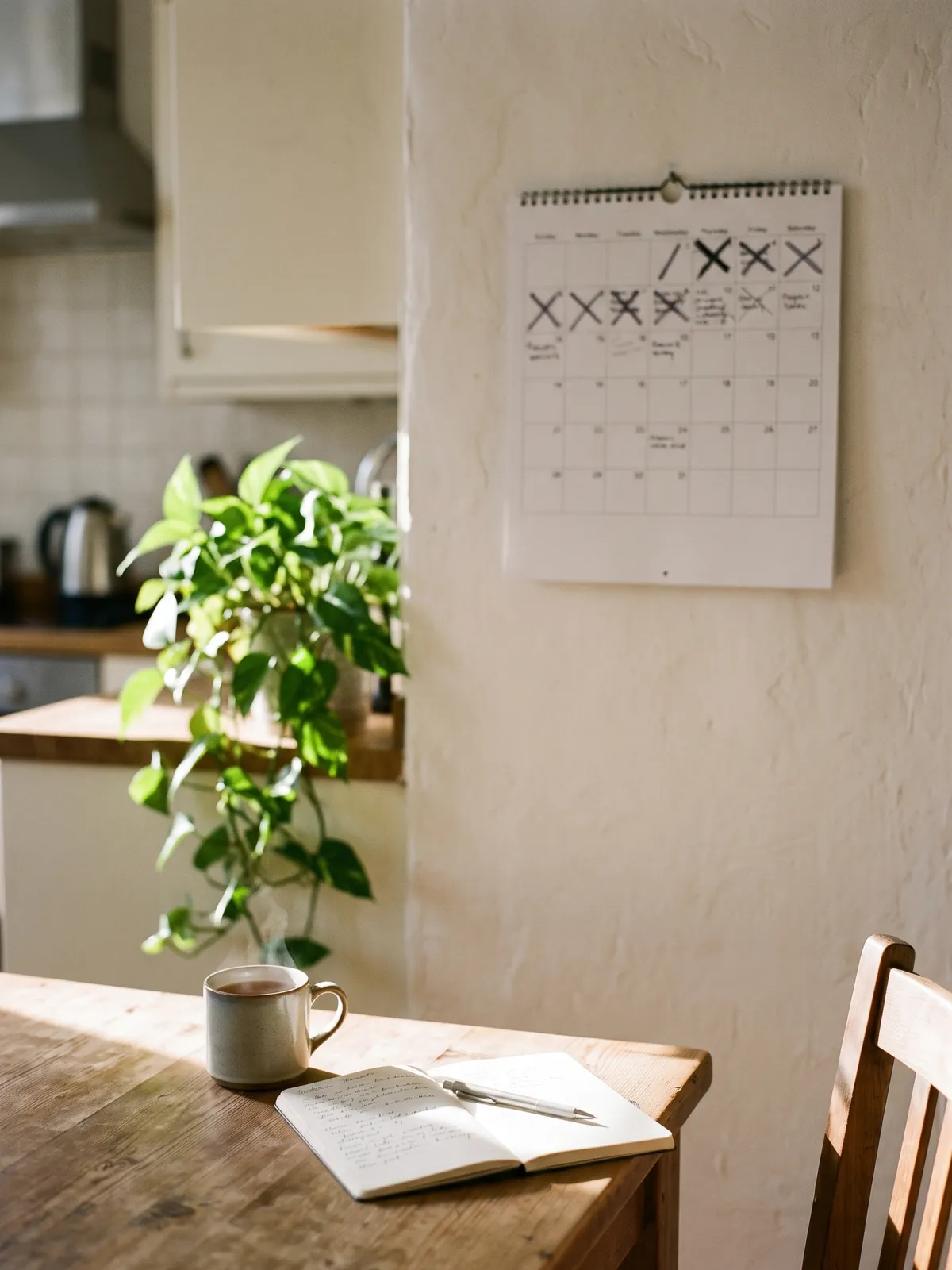
A no spend challenge means buying only the essentials you listed in advance, for a set time, and pausing everything else. You write your rules before day one, pick a length (a weekend, a week or a month), cross off each day on a calendar, and move the money you saved into savings when it ends.
Do a no spend challenge that sticks: clear rules, what counts as essential, weekend, 7-day and 30-day plans, 25 no-cost ideas and a printable calendar.
It is not about being frugal forever. It works because it breaks autopilot spending. Most of the money people save does not come from big sacrifices, but from all the small purchases they stop making without thinking.
Below you will find the rules that make it doable, a clear list of what counts as essential, three lengths to choose from, a day-by-day 7-day plan, 25 no-cost ideas and a printable calendar.
Table of Contents 17 sections
What Counts During a No Spend Challenge
Decide this before you start. The usual rule: keep what you need to live, work and stay healthy, and pause the extras.
| Category | Usually Allowed | Usually Paused |
|---|---|---|
| Food | Groceries from a planned list | Takeout, delivery, coffee runs, snack stops |
| Bills | Rent, utilities, insurance, phone, debt payments | New subscriptions or upgrades |
| Transportation | Gas, transit pass, needed car repairs | Rideshares for convenience |
| Health and home | Medicine, toiletries you run out of | Beauty hauls, decor, gadgets |
| Kids | School fees, needed clothes | Toys, treats, extra activities |
| Fun | Things that cost nothing | Movies, shopping trips, concerts |
Step 1: Choose Your Length
Start smaller than you think. A challenge you finish builds more confidence than an ambitious one you quit on day nine.
A no-spend weekend is perfect for a first try. A 7-day challenge shows you your weekly habits. A full no-spend month resets your spending habits, but it needs the most planning.
If you usually spend $15 a day on extras like coffee, snacks, rides and little online orders, a weekend can save about $30 to $50, a week about $100, and a month about $450. Your own numbers will be different, so track them.
Step 2: Write Your Rules Down
Vague rules fail fast. "I won't spend money" breaks the first time you need gas. Specific rules hold up, because you already know the answer when you are standing at the register.
- Groceries are allowed, but only from the weekly list.
- Bills and debt payments are paid as usual.
- Gas and transit are allowed for work, school and errands.
- Toiletries and medicine are allowed when you run out.
- Gifts already planned are allowed, with the amount written down.
- No takeout, delivery, clothes, decor or online shopping.
- Anything not on this list waits until the challenge ends.

Add one exception rule if you need it, like one coffee out per week. A small planned treat is better than giving up the whole challenge over a latte.
Step 3: Get Ready Before Day One
Most no spend challenges fail in the first three days because the house is not ready. Spend an hour preparing and the challenge gets much easier.
Plan your meals and do one full grocery shop before you start. A simple meal plan with two or three easy backup dinners keeps you away from takeout on tired nights.
Unsubscribe from store emails, turn off shopping app notifications and remove saved cards from your browser. Each one is a small speed bump between you and an impulse buy.
Step 4: Track Every Day on a Calendar
Print the calendar below and put it where you will see it every day, like the fridge or a bathroom mirror. Cross off each no-spend day with a big X.
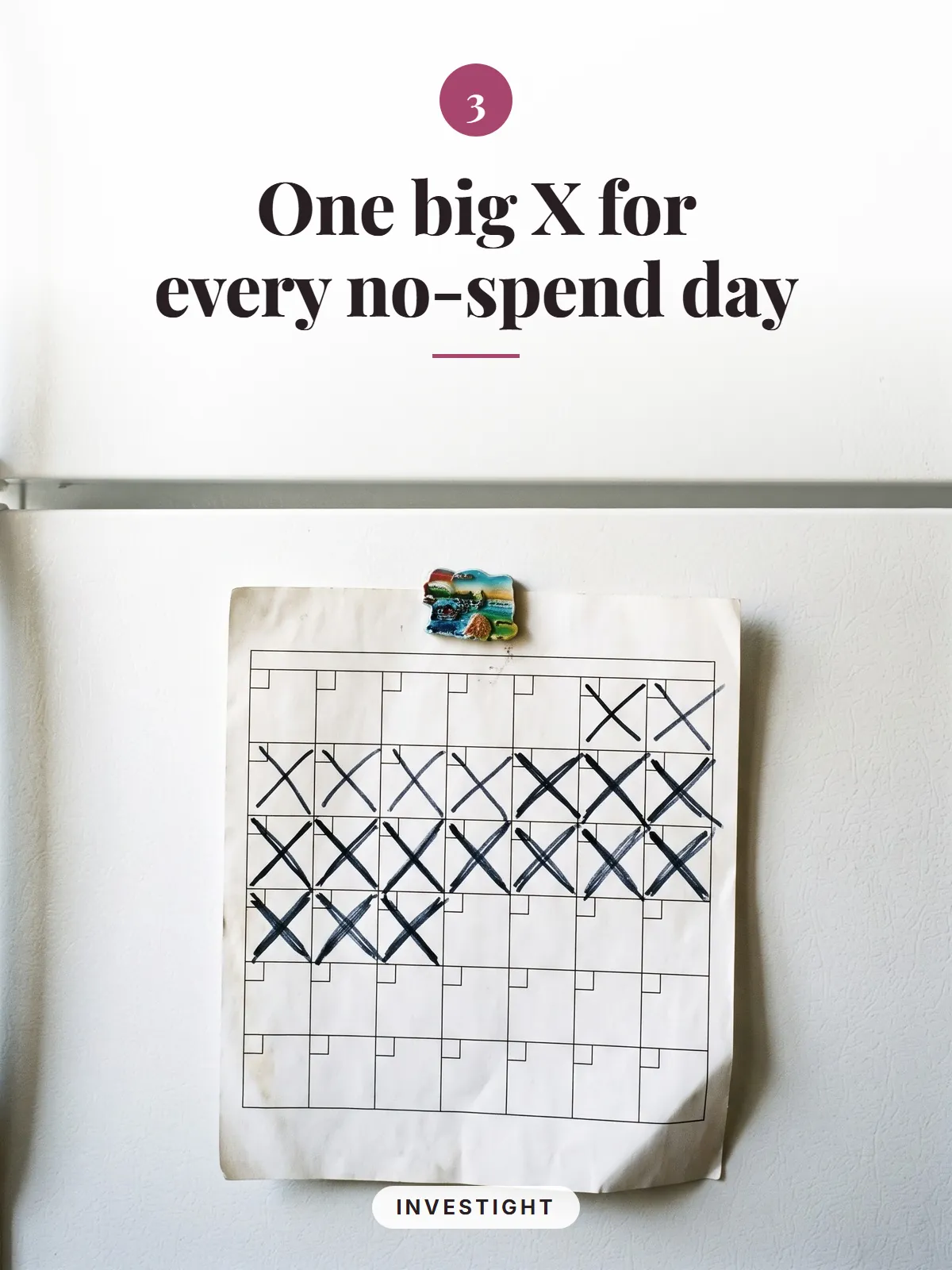
If you keep a bullet journal, draw a simple 30-box spread and color each day you stick to the rules. Seeing the chain grow is surprisingly motivating, and you will not want to break it.
Also write down what you wanted to buy but did not. Many people find that most of those urges disappear within a day or two, which is the most useful lesson of the whole challenge.
Step 5: Plan Things to Do That Cost Nothing
Boredom is the hidden trigger for a lot of spending. Plan a few no-cost activities in advance so spare time does not turn into a shopping trip.
- Go for a walk or a hike somewhere new
- Borrow books, movies or games from the library
- Have a picnic in a park with food from home
- Do a pantry cooking night with what you already have
- Host a potluck or a game night with friends
- Watch a movie you already own
- Visit a museum on a no-admission day
- Go to a community event or a farmers market just to look
- Learn something new from online videos
- Declutter a closet and list items to sell
- Do a home workout or a yoga video
- Bake bread or cookies with pantry staples
- Write letters or cards to people you love
- Start a puzzle or a craft with supplies you own
- Plan your next trip or a big goal on paper
- Clean out the car and the garage
- Have a family board game tournament
- Try a new recipe from the back of the pantry
- Go stargazing
- Volunteer in your community
- Have a spa night at home
- Organize your photos
- Rearrange a room
- Visit a friend instead of meeting at a cafe
- Sit outside with a book and a cup of tea
Step 6: Handle Slip-Ups Without Quitting
You will probably slip once. Maybe you grab a coffee out of habit, or a kid needs something for school tomorrow. Write it down, note what triggered it, and keep going.

A no spend challenge is about awareness, not perfection. Finishing 27 out of 30 days still breaks the autopilot, and it still saves real money.
If you keep slipping in the same place, change the rule or the setup. Maybe you need a better meal plan, a different route home, or one planned treat a week.
Step 7: End It the Right Way
The day after the challenge is the risky one. Many people celebrate with a shopping trip and undo the progress. Plan your first purchase instead, and wait 48 hours on anything else.
Move the money you saved into a savings account on the last day, before you can spend it. If you do not have an emergency fund yet, that is the perfect place for it. Add up what you did not spend on takeout, coffee and online orders, and transfer that amount.

Then keep one or two rules for good. Most people keep a takeout limit or the 48-hour wait. To turn the savings into a plan, our guide on how to budget for beginners shows how to give that money a job, and our savings challenges have the next step.
A 7-Day No Spend Challenge Plan
If a full month feels like too much, try one week. Here is a simple day-by-day plan you can follow as is.
Day 1: write your rules, plan seven dinners and do one grocery shop. Day 2: unsubscribe from store emails and remove saved cards. Day 3: pack lunch and coffee for work or school.
Day 4: plan a no-cost evening, like a walk and a movie you own. Day 5: check your list of things you wanted to buy, and cross off anything you no longer want.
Day 6: try a pantry cooking night with what is left. Day 7: add up what you did not spend, move it to savings and decide which rule you will keep.
Low-Spend Month, No-Buy Year and Other Variations
If a strict no spend challenge feels too rigid, try a low-spend month instead. You keep a small weekly allowance, say $40, for anything outside the essentials. It is easier to stick with and still cuts most of the waste.
A no-buy challenge targets one category instead of all of them. Many people pick clothes, beauty products or home decor and pause just that category for 90 days, or for a whole year as a 2027 no-buy goal.
Couples can run a shared challenge with one rule list and one calendar. Agree on the exceptions first, especially gifts and eating out with friends, so nobody feels policed.
Whatever version you pick, the core stays the same: written rules, a clear end date and a plan for the money you keep.
A No Spend Challenge With Kids
Kids can make a no spend challenge harder, but they can also make it more fun. The key is to explain it as a family game, not a punishment.
Tell them what the family is saving for, like a trip or a special day out, and let them color the calendar. Children are surprisingly good at reminding adults about the rules once they understand the goal.
Keep real needs allowed: school supplies, field trip fees, clothes they have outgrown and medicine. Pause the extras, like toys, treats at the register and paid activities.
Plan kid-friendly no-cost activities in advance: library story time, a park picnic, baking with pantry staples, a backyard camping night or a movie marathon with homemade popcorn. Those days often become the ones they remember.
A Sample No-Spend Week Meal Plan
Food is where most no spend challenges are won or lost. A simple meal plan, built from one big grocery trip, keeps takeout off the table.
Monday: pasta with tomato sauce and frozen vegetables. Tuesday: tacos with beans, rice and whatever toppings you have. Wednesday: breakfast for dinner with eggs, toast and fruit.
Thursday: a big pot of soup with bread, enough for lunch the next day. Friday: homemade pizza on store-bought dough or flatbread. Saturday: leftovers night. Sunday: a roast chicken with potatoes and carrots, saving the bones for next week's soup.
Keep two backup meals in the freezer for tired nights, like frozen dumplings or a soup you made earlier. A backup meal at home beats a $40 delivery order every time.
What to Say When Friends Want to Go Out
Social plans are the hardest part of a no spend challenge for many people. You do not have to hide at home. You just need a few easy answers ready.
Be honest and specific: "I am doing a no spend month to save for a trip. Want to come over for dinner instead?" Most friends respect a clear goal, and many will want to join.
Suggest a no-cost alternative: a walk, a potluck, a game night or a picnic. If the plan is a birthday dinner you really want to attend, decide in advance whether it is an exception and what you will spend.
If you do go out, eat before you leave and order one thing. The goal is not to skip life for a month. It is to spend on purpose.
What to Do After Your No Spend Challenge Ends
The last day of the challenge is a risky one. Many people celebrate with a shopping trip that wipes out what they saved. A simple plan for the day after protects the money and keeps the good habits.
Move the money first. Add up what you did not spend, compared with a normal month, and transfer that amount to savings or a debt on the final day.
Then review your list of wants. Many of the items you wrote down during the challenge will no longer feel important. Buy only what still matters after the waiting period, and budget for it.
Finally, keep one or two rules for good. Maybe it is no takeout on weeknights, or a 48-hour wait before any online order over $30. Those small habits are what turn a one-month challenge into lasting savings.
No Spend Challenge Checklist
Run through this list the day before you start.
- Choose a length: weekend, 7 days or 30 days
- Write down what counts as essential and what is paused
- Plan your meals and do one grocery shop
- Unsubscribe from store emails and turn off shopping alerts
- Remove saved cards from browsers and apps
- Print the calendar and put it on the fridge
- Plan three no-cost activities for the first week
- Decide where the money you save will go
Frequently Asked Questions
What are the rules of a no spend challenge?
You choose them, but most people allow groceries, bills, gas, medicine and planned gifts, and pause takeout, shopping, entertainment and new subscriptions. Write the rules down before you start so you never have to decide at the register.
How much money can you save with a no spend challenge?
It depends on your usual extras. If you spend about $15 a day on nonessentials, a 30-day challenge can save around $450. Track what you skip to see your real number.
Can you do a no spend challenge with kids?
Yes. Keep school needs and essentials allowed, and turn the challenge into a game with a family calendar, a library trip and a home movie night. Kids often enjoy crossing off the days.
What should I do after a no spend challenge?
Move what you saved into savings on the last day, wait 48 hours before any nonessential purchase, and keep one or two rules, like a takeout limit, as permanent habits.
How do you track a no spend challenge in a bullet journal?
Draw a grid with one box per day, add a small column for the urge you skipped and a running total of money saved. Color each box you finish, and keep your rules on the facing page.
How do I handle a no spend challenge with friends?
Tell them your goal, suggest a no-cost plan like a potluck or a walk, and decide in advance if any special events are exceptions. Most friends are supportive once they understand why.
What should I do after a no spend challenge?
Transfer the money you saved on the last day, review your wish list before buying anything and keep one or two rules from the challenge as permanent habits.
Can I use gift cards during a no spend challenge?
Most people allow gift cards they already have, since that money is already spent. Use them only for items on your allowed list, like groceries, so the challenge still builds the habit.
Pick Your No Spend Challenge Dates This Week
You do not need a perfect month to make progress. Choose a weekend or a week, write your rules and print the calendar.
Then cross off your first day. A no spend challenge is less about the money you skip and more about the habits it reveals, and that is what makes the next month easier.

Pin this guide to your money board
Save this saving money guide on Pinterest so the numbers and checklist are there when you need them.
Save on PinterestThis guide is general education, not individualized financial, tax, or investment advice. Figures reflect rules in effect on Nov 20, 2026. See our financial disclaimer.
